
BLICKLABOR
BLICKLABOR –
leichter lernen lernen
Das BLICKLABOR ist eine Ausgründung der Arbeitsgruppe OPTOMOTORIK der Albert-Ludwigs-Universität Freiburg. Die heutige Arbeit des BLICKLABORS basiert auf zahlreichen Augenbewegungsexperimenten, die schon in den 1980ern durchgeführt wurden. Das BLICKLABOR entstand 1997 als gemeinnütziges Unternehmen und wurde 2006 in ein Privatunternehmen umgewandelt. Falls Auffälligkeiten beim Lesen, Schreiben, Rechnen, aber auch Konzentrationsschwankungen beobachtet werden, empfehlen wir eine BLICKLABOR-Diagnostik.
Anhand der Messung von Augenbewegungen können wir Rückschlüsse auf die visuelle Aufmerksamkeit ziehen, die wiederum in engem Zusammenhang mit Lesefähigkeiten steht. Weiterhin überprüfen wir die auditiv-phonemische Wahrnehmung, die in Zusammenhang mit der Rechtschreibung steht. Bei Schwierigkeiten der Mengenerfassung, die grundlegend ist bei der Zahlenverarbeitung, aber auch beim Lesen, führen wir eine zusätzliche Aufgabe durch, in der eine bestimmte Anzahl von Elementen simultan erfasst werden soll.
Abhängig von den Ergebnissen empfehlen wir ein individuelles Training, das bequem zu Hause durchgeführt werden kann.
Lesen
Ihr Kind liest ungerne, findet Lesen anstrengend und berichtet über Kopfschmerzen beim Lesen, klagt über schwimmende, tanzende oder verschwommene Buchstaben, liest stockend, unsicher und buchstabenweise. Es liest zu schnell, flüchtig, rutscht aus der Zeile. Ihr Kind lässt Buchstaben und Endungen weg, überspringt kurze Wörter, errät Buchstaben oder ganze Wörter, verwechselt oder spiegelt ähnliche Buchstaben wie m-n, b-d, p-q.Erwachsene vermeiden häufig die Arbeit mit Texten und haben Mühe, Texte zu verstehen.
Schreiben
Ihr Kind macht Rechtschreibfehler, schreibt dasselbe Wort in einem Text auf verschiedene Arten und berichtigt sie unsystematisch, missachtet Getrennt- und Zusammenschreibung, schreibt unleserlich und unregelmäßig bis hin zu Wortruinen, rutscht beim Schreiben aus der Zeile.Erwachsene übersehen Rechtschreibfehler oder berichtigen sie unsystematisch. Häufig können sie sich nicht merken, wie manche Worte geschrieben werden, obwohl sie geübt sind.
Rechnen
Ihr Kind hat Mühe, Mengen zu erfassen, rechnet zählend und mit den Fingern, hat Probleme bei Zehnerübergängen, kann einfache Rechnungen im Kopf nicht überschlagen, braucht sehr lange um Aufgaben zu lösen, macht Zahlendreher.Erwachsene berichten schon immer eine Abneigung gegen den Umgang mit Zahlen und gegen Mathematik. Sie haben häufig Mühe beim Kontrollieren von Wechselgeld, können Uhrzeiten nicht gut überschlagen oder Entfernungen schätzen. Sie nehmen eher den Taschenrechner als dass sie im Kopf rechnen, fühlen sich hilflos bei Rechenaufgaben und haben dafür auch keine Strategie, vermeiden Situationen mit unangenehmem Zahlenumgang.
Konzentration
Ihr Kind kann sich schlecht auf eine Sache fokussieren, lässt sich leicht ablenken, ermüdet rasch, hat Leistungsschwankungen. Diese Schwierigkeiten beziehen sich auch auf Erwachsene.
Wie wir es machen
Diagnostik
Unsere Kernkompetenz ist die an neurowissenschaftliche Methoden angelehnte BLICKLABOR-Diagnostik. Mit einem für unsere Diagnostik entwickelten Eyetracker können wir eine standardisierte und zeitlich hoch aufgelöste Messung zur Überprüfung von Augenbewegungen durchführen und Augenbewegungsmuster aufzeichnen. Nach Analyse dieser Aufzeichnung ist es möglich, Rückschlüsse auf die visuelle Aufmerksamkeit, insbesondere die Fokussierungsfähigkeit und die Fähigkeit Ablenker auszublenden, zu ziehen. Neben dem mentalen Aspekt der Augenbewegungsmuster bewerten wir in unserer Untersuchung auch die Fähigkeit, inwiefern sich beide Augen synchron bewegen. Die Sehfähigkeit muss für die Tests vorhanden oder korrigiert sein.Die phonetische Differenzierungsfähigkeit bezüglich Lautstärke, Tonhöhe, lückenhafter Tondarbietung und Zeitordnung wird in mehreren sprachfreien Tests überprüft. Die Ergebnisse liefern Hinweise auf die Lautverarbeitung. Um eindeutige Aussagen über diese treffen zu können, ist ein gut funktionierendes Gehör Voraussetzung.
Ein weiteres Verfahren ist die Erhebung der Simultanerfassung. Simultanerfassung erfordert visuell-räumliche Aufmerksamkeit und die Fähigkeit Mengen zu erkennen und diese dann abzurufen.
Auf Grundlage dieser Diagnostik erstellen wir ein spezifisches Training, das individuell empfohlen wird.
Um bei Ihrem Kind einen Nachteilsausgleich oder Notenschutz zu beantragen, können Sie im BLICKLABOR außerdem Tests der Lese-, Rechtschreib- oder Rechenleistungen durchführen lassen.
Sowohl als Grundlage für eine solche Diagnose, aber auch um eine mögliche Hochbegabung festzustellen, führen wir Intelligenztests durch.
Training
In Zusammenarbeit mit der Arbeitsgruppe Hirnforschung der Universität Freiburg wurden Trainingsgeräte für Kinder und Erwachsene, die Schwierigkeiten beim Lernen haben, entwickelt. Die Trainingsgeräte sind leicht verständlich in der Nutzung und werden laut empfohlenen Trainingsplan programmiert. Mit adaptiven Programmen werden die visuelle Aufmerksamkeit, die phonetische Differenzierungsfähigkeit und die Simultanerfassung täglich trainiert. Nach Abschluss der Trainingszeit werden die Daten ausgewertet.In der Regel dauert ein Training mit unseren Mietgeräten einige Wochen und muss nur in wenigen Fällen verlängert werden.
Der Effekt des Trainings hält in den meisten Fällen dauerhaft an. Kritische Faktoren für das Nichtanhalten des Effektes sind gleichzeitiger übermäßiger Konsum von Medien, unregelmäßiges Training oder massive Wahrnehmungsprobleme. Das Training sollte stets nur nach einer genauen Diagnose und laut Trainingsplan durchgeführt werden. Das Trainingsgerät wird Ihnen und Ihrem Kind nach der BLICKLABOR-Untersuchung erklärt. Scheuen Sie sich nicht, vor Ort Ihre Fragen zu stellen!
Das Training ist eine Voraussetzung für anschließende Fördermaßnahmen in den Bereichen Lesen, Rechtschreibung, Rechnen, Feinmotorik und Konzentration.
Beratung
Dr. Trautmann berät Sie individuell und umfassend zu den Ursachen des jeweiligen Störungsbildes. In der Beratung profitieren Sie von ihrer umfangreichen Expertise in den Bereichen Aufmerksamkeit, Wahrnehmung und Kognition bei Lernstörungen. Durch ihre langjährige neurowissenschaftliche Forschungstätigkeit verfügt Dr. Trautmann über Kenntnisse zu den neurobiologischen Grundlagen des Lernens über die Lebensspanne.
Für wen wir es machen
Fragebogen
Damit Sie in der Lage sind, anonym und selbständig herauszufinden, ob eine Blicklabor-Diagnostik notwendig ist, können Sie hier unseren Fragebogen verwenden, in dem verschiedene Bereiche des Lernens abgefragt werden:
Lesen
Ob für Sie oder für Ihr Kind eine Blicklabor-Diagnostik auf Grund von Auffälligkeiten beim Lesen in Frage kommt, können Sie mit diesem Fragebogen herausfinden:Fragebogen zum Lesen
Schreiben
Um herauszufinden, in welchem Bereich des Schreibens bei Ihnen oder Ihrem Kind eine Auffälligkeit vorliegt und ob eine Blicklabor-Diagnostik sinnvoll wäre, können Sie mit einem dieser Fragebögen beantworten:Fragebogen zur Rechtschreibung
Fragebogen zum Schriftbild
Fragebogen zur Feinmotorik
Rechnen
Falls Rechenprobleme vorhanden sind, können Sie anhand des folgenden Fragebogens festellen ob eine Blicklabor-Diagnostik und ein Training helfen könnten:Fragebogen zum Rechnen
Aufmerksamkeit, Lernen und Motivation
Die Beantwortung folgender Fragebögen gibt Ihnen zusätzlich eine Entscheidungshilfe, ob Sie oder Ihr Kind von unserer Diagnostik und einem Training profitieren können:Fragebogen zur Aufmerksamkeit
Fragebogen zum Gedächtnis
Fragebogen zur Freude am Lernen

Warum wir es machen
Augenbewegungen und Aufmerksamkeit
In den ersten Jahren des BLICKLABORS wurden mit Eyetrackern Augenbewegungsmuster bei Kindern mit Leseschwierigkeiten erforscht. Die häufigste Augenbewegung ist die Sakkade. Eine Sakkade ist eine motorische Reaktion, die in engem Zusammenhang mit der Verschiebung der visuellen Aufmerksamkeit steht. Erst wenn ein gezielter Blicksprung gelingt, ist es möglich, den Fokus auf etwas zu Beachtendes zu lenken.Wir wissen aus den Untersuchungen von über 6.000 Kindern und Erwachsenen, dass verschiedene Parameter des Eyetrackings Aufschluss über einen möglichen Rückstand in der Entwicklung der visuellen Verarbeitung geben können.
Literatur zu Augenbewegungen und Aufmerksamkeit
Phone und Phoneme
Ein Phon ist ein durch einen Sprecher erzeugtes Schallereignis, aber auch ein abstraktes Schallmuster, wie zum Beispiel ein Zischen oder Piepsen. Phone sind zwar universalsprachlich, jedoch nicht beliebig häufig.Der Begriff phonologische Bewusstheit oder phonologische Informationsverarbeitung bezeichnet hingegen Sprachbewusstheit, also die Verarbeitung akustischer Signale mit sprachlichem Inhalt. Hier ist die Wahrnehmung eines Zischens schon sprachlich wie etwa in dem Wort "Rutsche" oder "zwitschern" und wird als Phonem bezeichnet. Phonologische Verarbeitung ist die Voraussetzung für den Erwerb des Lesens aber auch einer korrekten Rechtschreibung.
Literatur zu Phonen und Phonemen
Mengen simultan erfassen
Die Simultanerfassung bezeichnet die Fähigkeit, eine bestimmte Menge schnell wahrzunehmen und wiederzugeben. Das bedeutet, dass erst wenn die Grundlage für die Erfassung eines bestimmten visuellen Reizes vorhanden ist, dieser mit wenig Aufwand erkannt werden kann.Ein wesentlicher Teilaspekt ist die visuell-räumliche Aufmerksamkeit, die beim Erlernen des Rechnens, aber auch des Lesens notwendig ist.
Die Fähigkeit zur Simultanerfassung entwickelt sich über die gesamte Schulzeit hin bis zum frühen Erwachsenenalter. Wer eine Störung in der Simultanerfassung hat, hat häufig persistierende Schwierigkeiten in der Zahlenverarbeitung.
Literatur zur Simultanerfassung
Broschüre in verschiedenen Sprachen
Broschüre DeutschBroschüre Englisch
Broschüre Französisch
Broschüre Niederländisch
Laufende Projekte
Entwicklung eines Lesetests mit vier Parallelversionen zu ForschungszweckenÜberprüfung von Trainingseffekten des Fixationstrainings
Auswertung von Längsschnittdaten gemessener Augenbewegungen
Gründung einer gemeinnützigen Stiftung zu Forschungszwecken
Einführung einer standardisierten Aufmerksamkeitsdiagnostik zur Einschulung
Entwicklung einer Toolbox zur Evaluation von Trainings, Lerntherapien und anderen Fördermaßnahmen
Abgeschlossene Projekte
Zahlreiche Kooperationsprojekte mit SchulenZahlreiche Doktor- und Diplomarbeiten zu folgenden Themen: dynamisches Sehen, binokulare Stabilität, Phonverarbeitung, Simultanerfassung

Wer wir sind

Wo wir sind
 BLICKLABOR
 BLICKMOBIL
Zentrale in Freiburg
BLICKLABORZentrale
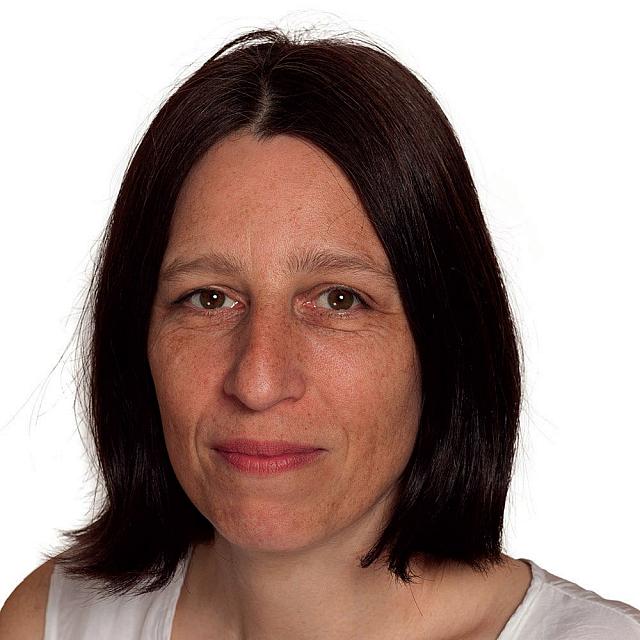
Dr. Mireille Trautmann
Schwarzwaldstraße 13
D 79117 Freiburg
T 0761 38419510
Telefonzeiten: Mo-Fr 9:00-12:00 Uhr
Termine nach Vereinbarung
sekretariat@blicklabor.de
blicklabor.de
BLICKLABOR Gelderland
Lern- und Therapiezentrum GelderlandLizenznehmer
Michael Johanning
Amsterdamer Straße 6
D 47623 Kevelaer
T 02832 7195
Telefonzeiten: Mo-Fr 14:00-17:00 Uhr
Termine nach Vereinbarung
info@lernundtherapiezentrum.de
lernundtherapiezentrum.de/blicklabor
BLICKLABOR Hamburg
LINGENS INSTITUTLizenznehmer:in
Dr. med. Nicolaus Lingens und Dr. Petra Lingens
Martinistraße 64
20251 Hamburg
T 040 22646161
Termine nach Vereinbarung
info@lingens-institut.de
https://www.lingens-institut.de
BLICKLABOR Leipzig
Logopädie am WildparkLizenznehmerin
Agnes Stummer
Leopoldstraße 9
04277 Leipzig
T 0341 30690013
Termine nach Vereinbarung
info@logopaedie-in-leipzig.de
http://www.logopaedie-in-leipzig.de
BAMBERG
Schwerpunktpraxis für Entwicklung und LernenLizenznehmer
Prof. Dr. Edgar Friederichs
Heinrichsdamm 6
96047 Bamberg
T 0951 2972991
Termine nach Vereinbarung
info@entwicklung-staerken.de
http://www.entwicklung-staerken.de
Australien
Peachey Optometry Clinic's Eyecare PlusLizenznehmerin
Paula Peachey
112 Hume Street
AUS Wodonga, Vic 3690
T +61 02 6024 1177
Termine nach Vereinbarung
BLICKMOBIL-Termine
Dr. Trautmann
Dr. Trautmann führt an folgenden Orten die BLICKLABOR-Diagnostik durch:Frankfurt
Praxis für Ergotherapie Stephan Klein
Werrastraße 7
60486 Frankfurt am Main
Terminvereinbarung im BLICKLABOR in Freiburg
Termine:
25.04.24
23.05.24
20.06.24
25.07.24
22.08.24
26.09.24
24.10.24
21.11.24
05.12.24
Fulda
Ergotherapiepraxis
Olivia Diegelmann-Weß
Mittelstraße 44-46
36037 Fulda
Terminvereinbarung im BLICKLABOR in Freiburg
Termine:
nach Bedarf
Reinheim (Odenwald)
Kinder-und Jugendarztpraxis Menningmann
Darmstädter Straße 1
64354 Reinheim
Terminvereinbarung im BLICKLABOR in Freiburg
Termine:
nach Bedarf
Idstein (Taunus)
Montessori-Schule
Wiesbadener Str. 74
65510 Idstein
Terminvereinbarung im BLICKLABOR in Freiburg
Termine:
nach Bedarf
Nürnberg
ALF
Fürther Str. 212
90429 Nürnberg
Terminvereinbarung im BLICKLABOR in Freiburg
Termine:
nach Bedarf
Partnerinnen und Partner
Alexandra Rauter, Psychologinhttps://www.neurofeedback-praxis.at
Anke Spinrath, Lerntherapeutin
Lernpuzzle
Ingrid Sälzler, Traumatherapeutin und Coach
Ingrid Sälzler
Martina Feistel, Lerntherapeutin
Martina Feistel
Christian Kuka, Lerntherapeut
Lern´s
Prof. Dr. Ben Godde, Neurowissenschaftler
Ben Godde
Gabriele Koch, Prüfungscoach
Gabriele Koch
Antje Ihmsen, Lerntherapeutin
Durchblick
Reinhard Müller, Funktionaloptometrist
Reinhard Müller
Marlies Schmitz, Evotrainierin
Evotraining
Rita Dominack-Rumpf, Lerntherapeutin
Lernraum
Miriam Schlindwein, Sonderpädagogin
Lernwerkstatt
Johanna Schmerenbeck, Training und Beratung
Eltern in Balance
PTE Villingen, Lerntherapie
Pädagogisch-Therapeutische Einrichtung
Martin Geier, Graphikdesigner
Geiervisuell
Josef Thiel, Funktionaloptometrist
Josef Thiel
Katharina Hirt, Ergotherapeutin
Blicklabor – leichter lernen lernen.
Schwarzwaldstraße 13, D 79117 Freiburg T +49-761-38419510
Impressum Datenschutz © 2022